



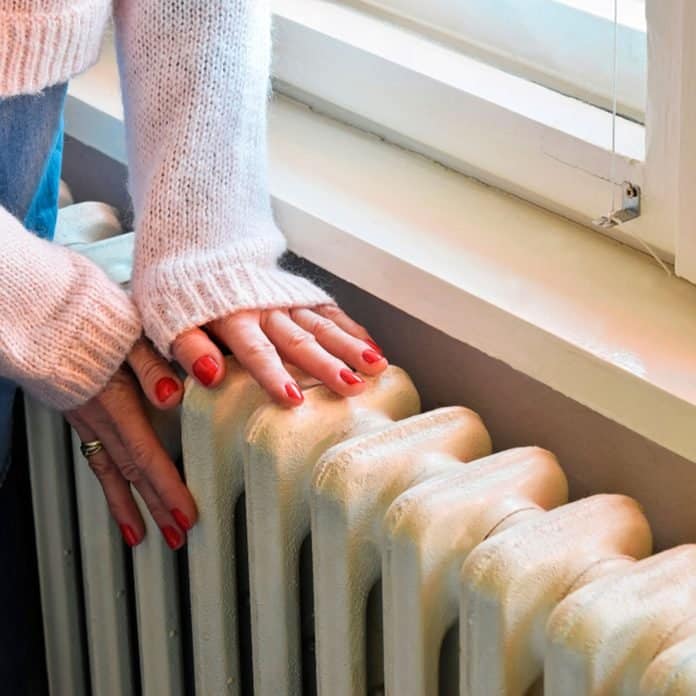
The wider impact of high energy bills has a knock-on effect on many other things, some of which you may not have considered…
With energy bills on the rise, tenants may be tempted to turn down their heating… creating the potential for increased mould in your rental property.
It may not be the most exciting subject in the world but being well informed about mould can save you £££ and, in the most extreme cases, tenants taking you to court, because your property has caused their health to deteriorate (trust me, it happens!) Here are some of our top tips, for dealing with the issue of mould, before it becomes a problem that will cost you time, hassle and money.
What causes mould?
Mould is caused by one of three things: rising damp, penetrating damp and condensation.
Rising damp
This is damp which comes from underneath the home, whether due to a poorly laid damp-proof course, foundations that weren’t allowed to dry or another problem. It can cause serious issues if not addressed quickly and can lead to mould that’s very hard to remove.
Penetrating damp
This is where leaks allow water into a property, whether it’s a broken roof, flat roof that isn’t draining properly, faulty guttering or plumbing that doesn’t work as it should. Penetrating damp is the most common type that is caused by a building defect, other than rising damp.
Condensation
This is very common and has a variety of causes – whether from steam trapped in a kitchen due to lots of cooking, a lovely hot bath, drying very damp clothes on radiators, poor ventilation, lack of heating and so on.
The difficulty for a landlord is that it’s hard to know whether the issue falls with a tenant’s lifestyle habits or the poor ventilation of the building.
When is mould the landlord’s responsibility?
Mould becomes the landlord’s responsibility, when the cause of it is due to building defects over lifestyle habits. Under the Landlord and Tenant Act of 1985, landlords must repair defects and structural issues that cause damage to buildings. As mould and other damp related problems can often be linked to structural issues, landlords must inspect and repair as necessary.
If mould is found to be present, a landlord will need to provide a mould remediation service to ensure the home is habitable. Under the Homes (Fitness for Human Habitation) Act 2018, homes must be in a habitable state throughout the tenancy, and repeated mould is a reason why a home would be considered not to be habitable. Early prevention is key – we cannot stress this enough!
How can you be proactive about mould as a landlord?
Educate your tenants about mould and the importance of reducing moisture and creating proper ventilation. Advise them of the importance of the following:
Opening windows, even for short bursts of 15 minutes every day.
Leaving windows on a latch
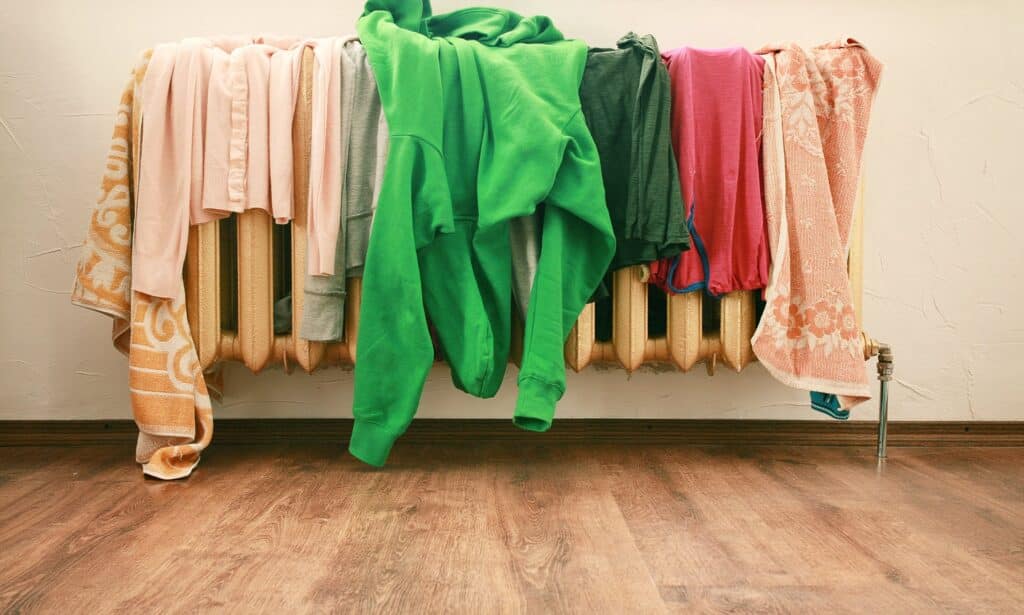
Not drying clothes inside
If they have no option but to dry clothes inside, then to do so in a well-ventilated room, such as a bathroom with the window wide open
Making sure the heating stays on, even at a low level
Making sure that the bathroom is well ventilated and the extractor fan on when showering or bathing
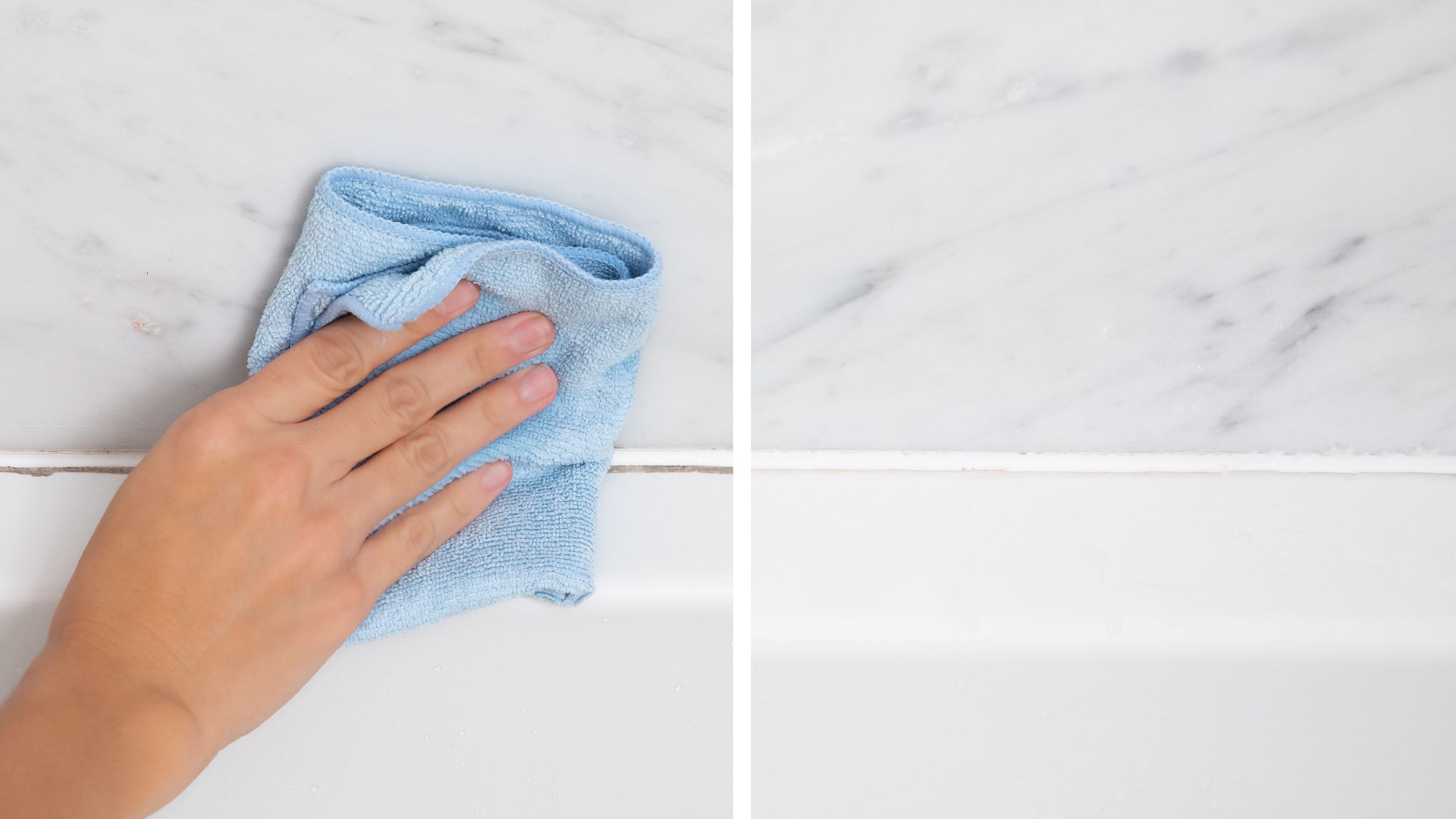
Wiping surfaces regularly and clearing away any mould at the first sign, with a proprietary mould cleaner.
Good ventilation when cooking.


How you, as a landlord, can be vigilant about mould
Like anything, if it is caught early, then it is so much easier to deal with than if it is left to become a bigger problem. The biggest piece of advice here is to make sure that you do regular inspections and make a check for mould part of your inspection routine:
Give the house a “good sniff” (this may sound bizarre) but if you are regularly checking your property, then you will know how the inside of the house feels and smells. Damp has a very distinctive smell – does the inside of your property smell musty or feel damp and cold?
Whilst inspecting tenants’ rooms, have a good look at ceilings, window ledges and walls – and any place where moisture can get trapped, like walls with furniture against (bookcases are great culprits for this).
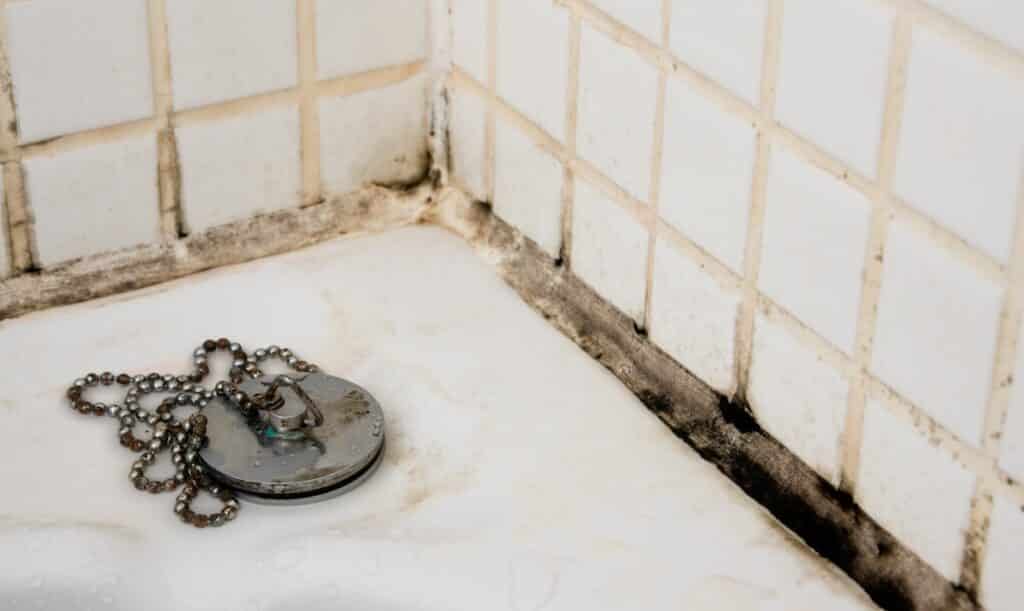
When inspecting bathrooms, have a good look at window ledges, ceilings, bath sealant and behind the shower and in between the grouting of tiles.
Check that all radiators are working, so that rooms can be kept warm throughout the property and that washing is not being placed to dry on them.
If you educate your tenants and keep a close eye on your property, with regular inspections, identifying the cause of any mould and treating it at the first sign, you should be able to keep on top of it. Your tenants will thank you; your property will be in a better condition and, it will save you money and stress in the long run!
As Landlords and Investors ourselves, we can help and advise on all aspects of your portfolio. If we can help you then give us a call on 0117 440 6789 or email us here together we can make being a landlord simple, passive and stress free!


