As property investors and letting agents, we are regularly having conversations with people about compliance. What often comes across is that people find it changeable and confusing. It is changeable, this is true, but it needn’t be confusing. With this in mind, we have put together a series on some of the most common compliance issues, in an attempt to explain them, in a way which is succinct and non-confusing. The third in this series is The Electrical Safety Standards in The Private Rental Sector (England) Regulations 2020.
The Electrical Safety Standards in The Private Rental Sector (England) Regulations 2020
The Regulations:
The Electrical Safety Standards in The Private Rental Sector (England) Regulations came into force on 1st June 2020. These regulations require landlords to have an up-to-date EICR (Electrical Installation Condition Report) for each and every rental property.
Requirements & Duties:
Landlords must ensure every fixed electrical installation is inspected and tested at least every 5 years, by a qualified person. The regulations also state that a landlord is required to obtain a report of the results of the inspection, and supply it to each tenant within 28 days, while also retaining a copy until the next inspection is due.
The following must also be noted…
Penalties:
Proven breaches of the regulations can result in the local housing authority imposing a financial penalty of up to £30,000
Portable Appliance Testing
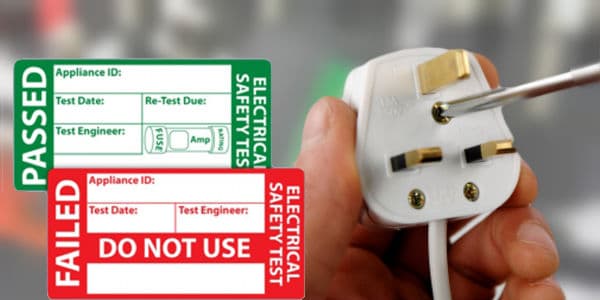
Whilst the above regulations don’t cover electrical appliances, where a landlord provides an electrical appliance as part of a tenancy, the law expects the appliance will be maintained in a safe condition and that it will not cause harm to the tenant. Failure to do so could lead to the landlord being sued for negligence. With this in mind, an annual PAT (portable appliance test) is always best practice, but it is not a legal requirement.
Newsflash from October 2022 Arc Fault Detection Devices (AFDD) will be required in properties considered “high risk” such as buildings with more than 6 floors (or 18m high), care homes, HMOs and purpose built accommodation for students, when there is work carried out such as a rewire, a new consumer unit or additions or alterations to socket circuits. These devices will cost around £150.00 each. This was part of an amendment to the regulations in March 2002, which came in with immediate effect, although the previous amendment is still valid until the end of September. If in doubt, check with your trusted electrician or member of NICEIC or NAPIT.
As Landlords and Investors ourselves, we can help and advise on all aspects of your portfolio. If we can help you then give us a call on 0117 440 6789 or email us here together we can make being a landlord simple, passive and stress free!
We use cookies to ensure that we give you the best experience on our website. If you continue to use this site we will assume that you are happy with it.