

The colder weather is upon us, the clocks have gone backwards, and the mornings and evenings are now dark. It is safe to say, that the Winter is fast approaching. Whether this makes you happy or sad, there is one thing for certain, this will have an impact on your tenants and on your property.
Taking some commonsense steps will help to protect your property and your tenants, let’s take a look at some of these now:
Landlord/Property Owner
There are a few precautions that the landlord can take or, discuss with their letting agent:
- Insurance Policy. Is it up to date and does it cover the most common winter risks – storm damage, flood damage, water leaks or third-party liability for injuries (think about tiles blowing off the roof in a gale etc.)
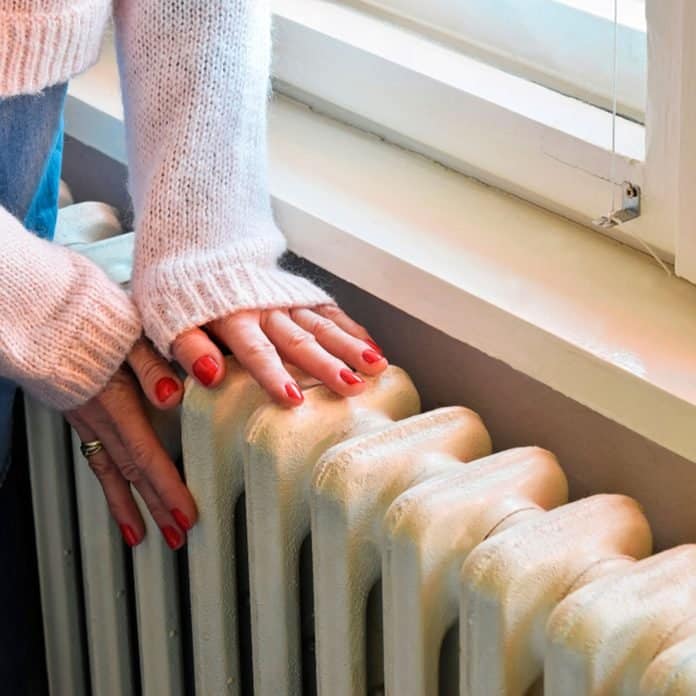
- Your heating system – when did you last check the heating system and the radiators (and when did you last bleed them) to ensure that they are working correctly? When did you last have your boiler serviced? A Gas Safety check will not include a service, unless it specifically states that it does, or you request one – be sure to check.
- Coal fires or wood burning stoves – chimneys should be swept annually and do not forget to test your carbon monoxide alarm regularly; this is a legal requirement.
- Insulation – an insulated property will be a warmer property, in addition to saving money.
- If the property has old, draughty, and ill-fitting windows, do they need replacing?
- Draught proof all existing external doors, windows and do not forget the loft hatch.
- Any water pipes that are likely to be exposed to frost, particularly those outside such as outside standpipes or condensate pipes, should be insulated.
- If there is a hot water cylinder, make sure that it has a good insulating jacket.
- Have radiators fitted with individual TRVs (thermostatic radiator valves) so that individual room temperatures can be controlled.
- Ensure that any flues and outlets cannot be blocked by snow and freeze over.
- Boiler overflow pipes – so that these do not freeze up, have a word with your engineer and discuss foam pipe insulation. Also leave the heating on overnight during freezing temperatures and set your heating to a higher level during very cold weather.
- Think about safety, not just cold. Check outside guttering, downspouts and drains for leakages and blockages. This will reduce the risk of ice forming, which could cause people to slip and fall.
- Check any sheds and outbuildings, are they secure and are their doors safe from blowing open?
- If surfaces are slippery and people could fall, provide gritting and warnings.


Talk and communicate with your tenants about the following and remember, some tenants may not be experienced in living independently (especially if this is their first rental after leaving home) and may not understand the vagaries of heating systems and the “behaviour” of properties during wintertime:
- Do they understand how to use the heating system and how to adjust the thermostat?
- Do they know where the stop cock is?
- Do they have emergency numbers, just in case?
- If they intend to go away for any period of time during the holiday season, make sure that they do not turn the heating off, as this could lead to burst pipes.
- Speak to your tenants about what causes mould and how to treat it. Winter is a prime time for mould as it is cold outside and tempting to keep windows closed. This is especially relevant in bathrooms, shower rooms and where clothes are dried.
- Speak to your tenants about keeping the heating on low during the daytime to maintain a minimum temperature, as this costs less than raising the temperature from cold.
- Be sure that your tenants understand the importance of maintaining a minimum temperature throughout the whole property, so that clothes, fabrics, walls and furniture will remain warm and not absorb moisture from the air causing condensation and mould.
A house booklet with all of these points in, together with emergency telephone numbers and the locations of the stop cock, thermostatic control for the boiler and any other important information is a really good idea to have in the property. In addition to this, a conversation with your tenants and a letter/communication from either you or your agent just before the weather turns, should reinforce the message and prevent any nasty surprises.
A stitch in time really does save nine and prevention is less costly than cure, for the safety and comfort of your property and your tenants, when it comes to getting ready for the cold weather. If we can help or offer any advice or assistance, then please do not hesitate to get in touch.
As Landlords and Investors ourselves, we can help and advise on all aspects of your portfolio. If we can help you then give us a call on 0117 440 6789 or email us here together we can make being a landlord simple, passive and stress free!


