

The UK government has introduced a significant directive, aimed at addressing issues of damp and mould in rental properties. These new guidelines place a strong emphasis on private landlords, holding them accountable for the condition of their rental units and introducing unlimited fines and (in the most serious of cases) legal action, for those who neglect damp and mould problems. Housing Secretary Michael Gove emphasised that these issues are not the result of ‘lifestyle choices’ but rather the responsibility of landlords to identify and address the root causes, such as structural problems or inadequate ventilation.
The guidance, jointly issued by the Department for Levelling Up, Housing and Communities, and the Department of Health and Social Care, outlines four key points that private landlords need to be familiar with:
- Hazard-Free Homes: The Housing Act 2004 stipulates that all properties must be free from hazards at the most dangerous ‘category 1’ level. This assessment is conducted using the Housing Health and Safety Rating System (HHSRS), a risk-based evaluation tool. This includes assessing and mitigating mould and all types of dampness. A ‘category 1’ hazard signifies a risk significant enough that an occupier or visitor to the property may require medical attention over the course of a year. Local councils also have the authority to act when hazards are identified at the ‘category 2’ level.
- Prejudicial to Health: The Environmental Protection Act 1990 empowers tenants and local councils to take legal action when homes contain a ‘statutory nuisance,’ which includes conditions that are prejudicial to health. To qualify as a statutory nuisance, the presence of damp and mould must be proven to be harmful to the tenant’s health or a general nuisance.
- Fit for Human Habitation: Provisions added to the Landlord and Tenant Act 1985 by the Homes (Fitness for Human Habitation) Act 2018 require properties to be free of hazards, including damp and mould, to a degree where the dwelling is reasonably suitable for occupation. The well-being of current occupiers is considered in this evaluation. A ‘fit for human habitation’ home is one that is safe and healthy, free from damp and mould that could cause significant harm. Tenants have the right to take action if their rented property is deemed unfit for habitation or if the landlord has neglected necessary repairs.
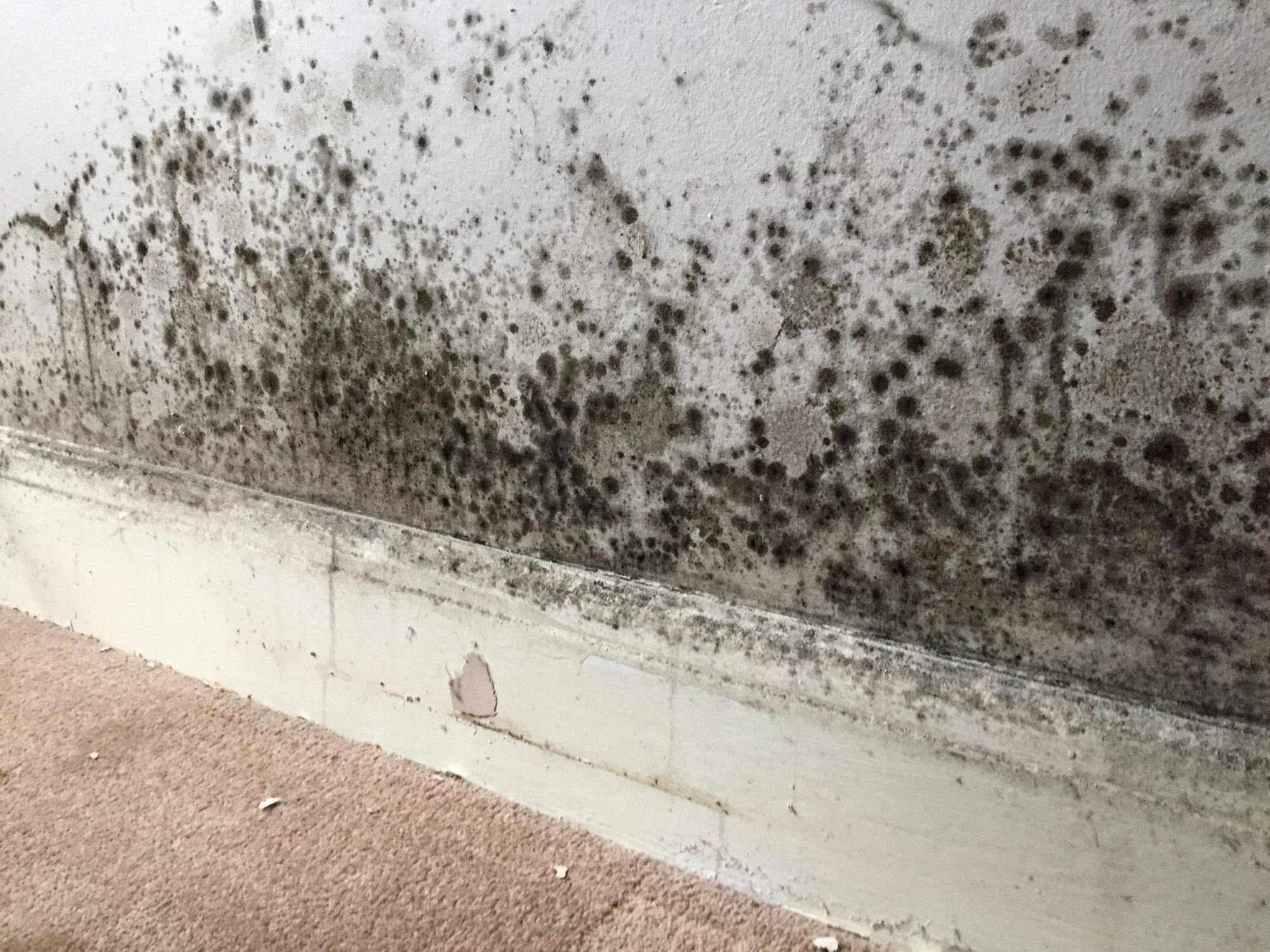

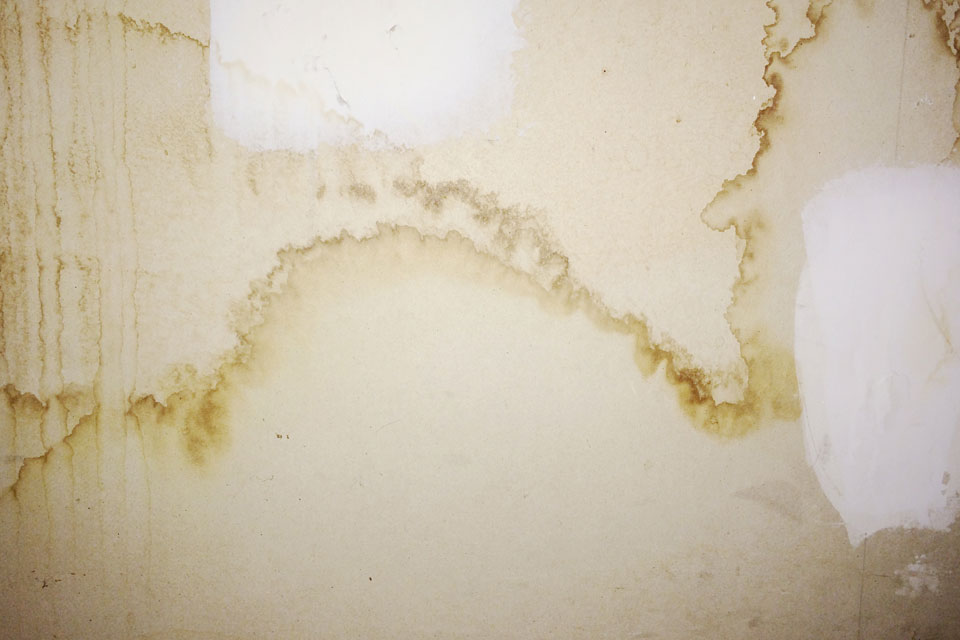


There is also guidance for tenants and property owners on damp, mould, and condensation. Acknowledging that these issues can arise due to various factors, including condensation, leaking pipes, roof issues, or rising damp. Rising damp is often identifiable by a “tidemark,” tenants are encouraged to inform their landlords if such conditions are present.
Condensation is a common cause of damp and mould. It occurs during cold weather when warm, moist air meets cold surfaces and condenses. This can lead to the growth of black mould on affected surfaces. To combat condensation, occupants are advised to balance heating, ventilation, and moisture levels in their homes. Simple steps like covering pans, avoiding the use of certain heaters, not drying laundry on radiators, and ensuring proper ventilation can help reduce condensation.
Ventilation is also important, to reduce moisture without creating drafts, such as keeping windows slightly open, using trickle ventilators, and ventilating kitchens and bathrooms effectively.
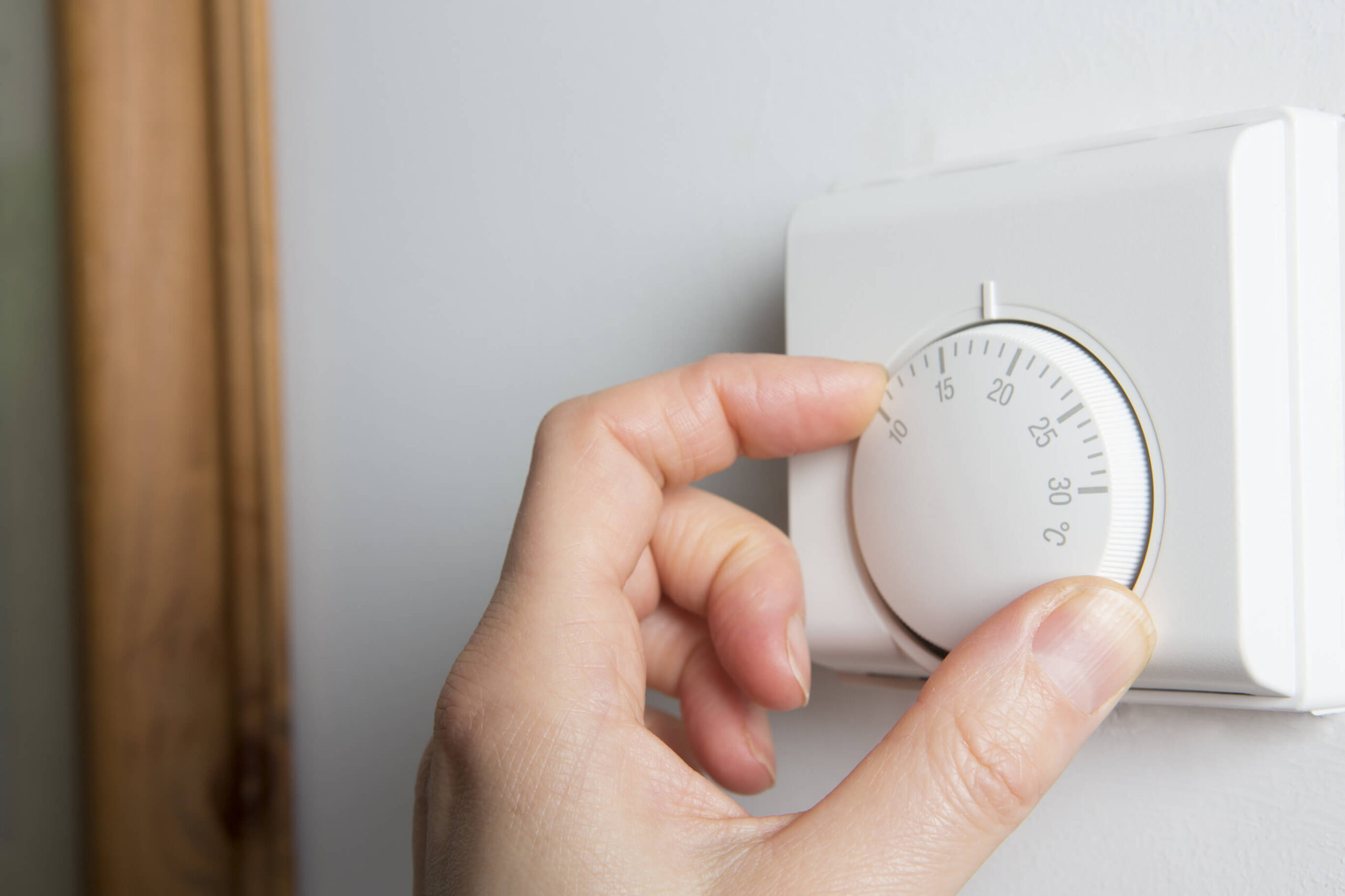
In addition, adequate heating and insulation in homes is also of great importance. Maintaining a reasonable temperature range and ensuring proper insulation can help prevent condensation and mould growth.
It is crucial to take steps for dealing with existing mould issues, such as using fungicidal wash and redecorating with fungicidal paint to prevent recurrence. It’s important to emphasize the long-term solution of eliminating dampness to prevent severe mould problems.
With grants, loans, and discount schemes that tenants may be eligible for, and landlords too, with heating and insulation grants; The Energy Saving Trust Advice Centre is a great resource to help individuals find out more about available support.
The government’s mould directive places a substantial responsibility on private landlords to address damp and mould issues in rental properties. It also provides comprehensive guidance to both tenants and property owners on how to prevent and address these issues, ultimately aiming to ensure safe, healthy, and habitable homes for all. By emphasising the importance of proactive measures and offering resources for support, the government’s directive seeks to create a healthier living environment for tenants across the UK.
As always, if we can provide any help or advice, then please get in touch with the Team over at KPA!
As Landlords and Investors ourselves, we can help and advise on all aspects of your portfolio. If we can help you then give us a call on 0117 440 6789 or email us here together we can make being a landlord simple, passive and stress free!
