



Tenant Selection – Part Art, Part Science.
In our business, we regularly meet landlords when things go wrong. This can be for many reasons but, by far the most common, are issues with tenants. Strangely, given this fact, tenant selection often takes a back seat and is either assigned to a junior member of staff or, treated like a process requiring form filling, a cursory glance and a credit check.
Without a doubt referencing is crucial, but we view it as only one part of the tenant selection procedure. We look at tenant selection as part Science and part Art, where the referencing – (right to rent checks, credit checks, references) make up the Science and the interpersonal equation makes up the Art.
Often landlords and letting agents attempt to speed up and short circuit the tenant selection process with the use of online forms and systems, and is it any wonder, in areas of high demand, where you can be dealing with hundreds of enquiries for every vacancy? The problem here though, is that by using only forms and systems, you can run the risk of missing crucial touch points. If you couple this with a cursory viewing, then this isn’t really tenant selection at all – it’s a “first come, first served buffet” where your property is on the menu and your sanity is given to chance! There is nothing wrong with a form, as a first stage procedure but it shouldn’t be left there. You would be surprised by what kind of a “feel” you can get from an email exchange and/or a telephone call. Couple this with a good quality viewing, where you have had 2/3 “touchpoints” before the viewing, and you are leaving far less to chance!
Pre- viewing, what types of things are we looking for?
- Kindness, consideration and politeness (will someone speak to my team, with the same level of respect that they would give to me or to my tenant manager or a person perceived to be a decision maker?)
- Rudeness (are they rude, arrogant or unnecessarily abrupt?)
- Consistency (do they contradict themselves, or are they telling lies?)
- If it’s an HMO, will they be a good mix for the house (discuss this with them, it’s for their benefit as much as the rest of the house)
- Do their needs and wants accord with the landlord’s (again this is for their benefit as much as the landlord’s – make sure to discuss any pertinent issues with them)
Bearing all of the above in mind will ensure that, by the time you get to the viewing, you will have a good sense of the applicant. Also, the applicant should have a greater sense of you, and this will enable a more honest and relaxed atmosphere during the viewing. Allow 20-30 minutes for the appointment and relax and remind yourself of the purpose of the meeting. The purpose is not to get as many people through the door as possible, showing them the features of the property and stopping only to consider whether they appear “vaguely human” but to make a genuine assessment of whether you believe they would make a good tenant. In order to do this, consider the following – and this is where the art comes in.

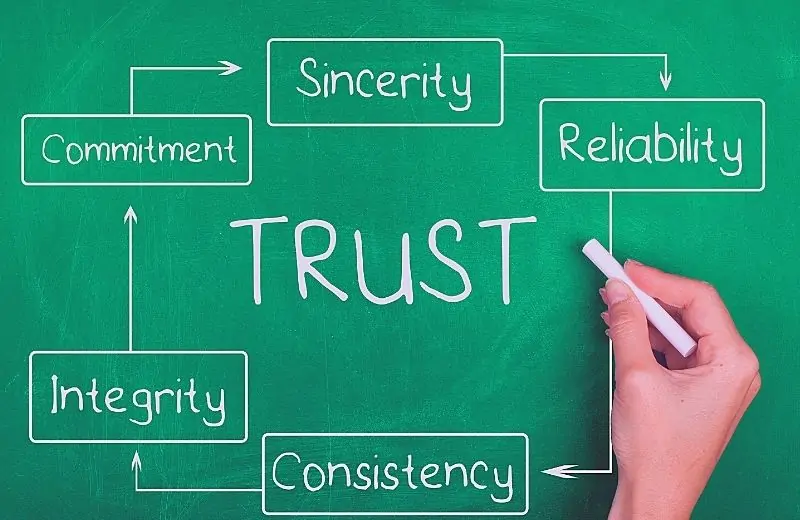



At the viewing:
- Does your “feel” for the applicant, accord with the sense you have of them, from your other “touchpoints” – is there consistency and truth so far?
- Are they courteous? If you invite them to treat the property with respect (for example, when you take your shoes off at the door) do they accept and follow suit?
- Are they polite?
- Do you like them?
- Do you consider that they would make a good tenant? This might sound similar to the point above and, I guess that it is but, the subtle difference here is – will there be mutual respect and when things go wrong (as they often do) do you feel that they will stand “side by side” with you and be understanding and cooperative or not?
The above might seem like difficult questions to answer in a 20-30 timeslot and without the aid of a crystal ball – but here are five points to take into consideration which might help:
- This is number one for a good reason, because over the years we have learned to rely on this one a lot. Follow you gut instinct! Listen to your gut, especially when you meet a person for the first time, as it will give you a visceral reaction before you have a chance to think. Your gut will relay whether you are at ease with a person or not and it is your “internal truth meter” (ignore your truth’o’meter at your peril!)
- Don’t shy away from the small talk. Maybe you feel uneasy about small talk in a formal situation but relax, it can give you the opportunity to familiarise yourself with the applicant. Small talk helps you observe how a person behaves in normal situations. You can then use this as a benchmark to accurately spot any behaviour that is out of the ordinary. If you get a baseline for how the prospective tenant normally acts, you will get a better feel for them as an individual and be better able to spot any inconsistencies. So, get them away from the “script” and “off topic” and find out what they are really like.
- Think about their word choices. What are they really telling you? Often people will give away what they are trying to conceal by their choice of language. A classic one here is the two-word construction of “yeah-no” this can give away ambivalence, or the phrase “I try not to” indicating that they know that the correct answer to a question is “no” but that really their answer is “yes!”
- Body language – another big one for us. Does this match their spoken language? A classic here is a smile which doesn’t reach the eyes or a “yes” coupled with the shake of the head. Do you feel that there is consistency with what the individual says with their words, and what they say with their body language?
- And we’ve saved this one until last because it’s a big one – lies, and how can you tell? Here are a few signs to look for:
- Does their voice change?
- Does their body language change?
- Do their eye movements change (averting, looking down, won’t look at you – when this has previously not been an issue)
- Do they stop using the word “I” (often people who are uncomfortable telling lies, will stop referring to themselves in the first person)
- Is the content of what they are saying too elaborate or detailed? Sometimes when people lie, they rehearse a whole story beforehand. If this is the case, listen for something that sounds rehearsed.
- Do they fidget and look uncomfortable or nervous when they haven’t previously?
Getting the individual off topic (as described above), will help you establish a baseline and make better assessments about whether you feel you are hearing the truth, or not.
Take the time and the effort to get the tenant selection right, it will make a whole world of difference. A good landlord and tenant relationship, where both parties respect each other and appreciate the part that each other plays and its importance in the lettings process is a wonderful thing – when you get this right, most other aspects will fall into place, so give it the consideration and importance it deserves!
If we can add value for you, with a truly passive property management solution, by finding your next perfect tenant or if you’d like to talk about compliance in your property, then give us a call on 0117 440 6789 or email us here


