



We’ve been talking a lot about Inventories lately, as it seems to be a very common missing document, when we are onboarding landlords. The Inventory and Condition Report is, however, a very important document and one that, if you should ever find yourself in a position, where you needed to rely on it, during adjudication or, in a Court of law, you would be extremely thankful that it had been drawn up correctly and with sufficient detail. Here, in this article, we take a look at what Inventories are, why they are important, what they should contain and some common misconceptions that we often hear about them.
A property Inventory Report is essential for helping to prevent disputes with tenants and ensuring that your rental property is in the same condition (less fair wear and tear) at the end of the tenancy, as it was at the beginning.
The launch of mandatory deposit protection schemes has meant that schedule of condition reports and inventories have become vital documents, alongside the tenancy agreement, at the beginning of a tenancy, as evidence in claims against the security deposit.
For a landlord, an inventory is an extremely important document in the tenancy process, and one that all should look to either complete themselves, outsource to an outside company or, have their agent prepare.
What is an Inventory for a property?
A property inventory is a list of all the components and contents and a detailed description of the condition of all items in the property, including furniture, fixtures, fittings, and the fabric of the building, that is being rented and forms part of the tenancy.
What should an inventory include?
A property inventory should include everything, (and don’t forget the pictures) of any furnished items as well as descriptions of the condition of the property’s bathrooms, kitchen, doors, windows, walls and fixtures and fittings. It should include the garden, any garage or shed or outbuilding to be used by the tenant and cover every single room in the property. The inventory should contain supporting evidence in the form of digital photographs and/or videos.
How does an inventory protect the landlord and the tenant?
The inventory, when used in conjunction with the check out report, provides the landlord with the evidence needed, to prove the exact condition and contents of the property at the time when the tenant(s) moved in. Without these documents, the landlord may struggle to prove that any damage (or even theft) has occurred and is unlikely to be able to make a legitimate or successful claim against the deposit, in the event that the case should go to adjudication. As a date stamped document, it is a snapshot in time and, as such, also protects the tenant, because it serves to evidence the state and condition of the property, at the time that the tenant entered into the tenancy.
Key mistakes that people make when compiling an inventory report
It is a common misconception that producing a property inventory is simple and quick and only needs to be a very basic list of the contents and condition of the property. Here are some mistakes that we have found, when onboarding landlords’ documents, from other agents or when working alongside landlords who have previously self-managed:
- Not enough detail
- Insufficient detail, description, and condition comments
- Opinion rather than fact based
- Missing out rooms or things in the property
- No photographic or video evidence to back up comments about cleaning issues, damage, or maintenance
- Does not include a schedule of condition (cleanliness)
- Not given to the tenant for comments/signature at the beginning of the tenancy
Although the aim is not to produce as many pages as possible (let’s face it, no one wants to have to wade through a sequel to Tolstoy’s War and Peace), the inventory report should have detailed information that will help if there is a dispute. Also, bear in mind that the document should stand up in a court of law, if it should need to.


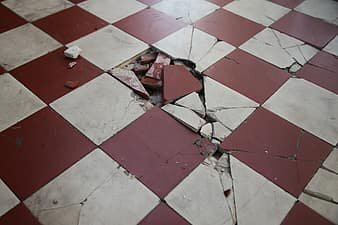


Here are some common misconceptions that we have heard, from landlords, about inventories:
- If my property is clean and tidy, I don’t need an Inventory
- Taking pictures is enough
- Inventories are only for furnished properties
- I’ve included the condition of the property in the Tenancy Agreement, so I don’t need an inventory
- I’m just too busy to do an inventory
- I control the deposit
If you enter into every tenancy having used best endeavours to get your tenant selection right (remember that tenant selection is part science and part art), with the correct documentation, a robust Tenancy Agreement and a detailed Inventory and Condition Report (with pictorial evidence) and then continue to manage the property diligently and with a large dose of common sense, then you will be doing everything possible to ensure that things will be smooth and drama-free. Inventories are a lot like insurance; you only know how good they are, when you are called to rely on them – make sure that yours are fit for purpose!
As Landlords and Investors ourselves, we can help and advise on all aspects of your portfolio. If we can help you then give us a call on 0117 440 6789 or email us here together we can make being a landlord simple, passive and stress free!